
Renovation advice
How to Choose Flooring for a Home Renovation
Practical checks before you plan the work.

Flooring has to suit the way a room is used as well as the way it looks. Before comparing colours, check the existing base and think about cleaning, spills, noise and the people who use the room every day. The right preparation is part of the choice.
Match the floor to the room
A hallway takes grit and regular foot traffic; a bathroom needs a finish suitable for its expected moisture. Bedrooms may prioritise comfort and sound. Compare the manufacturer’s use and care requirements for the actual product. Similar-looking floors can have different installation instructions.
Check what is underneath
A new finish cannot solve a damp or unstable base. Ask whether the existing covering needs removing and the subfloor needs repair or levelling. Where moisture is suspected, establish its cause before fitting. Preparation should appear in the quotation rather than remain an unpriced assumption.
Allow for finished floor height
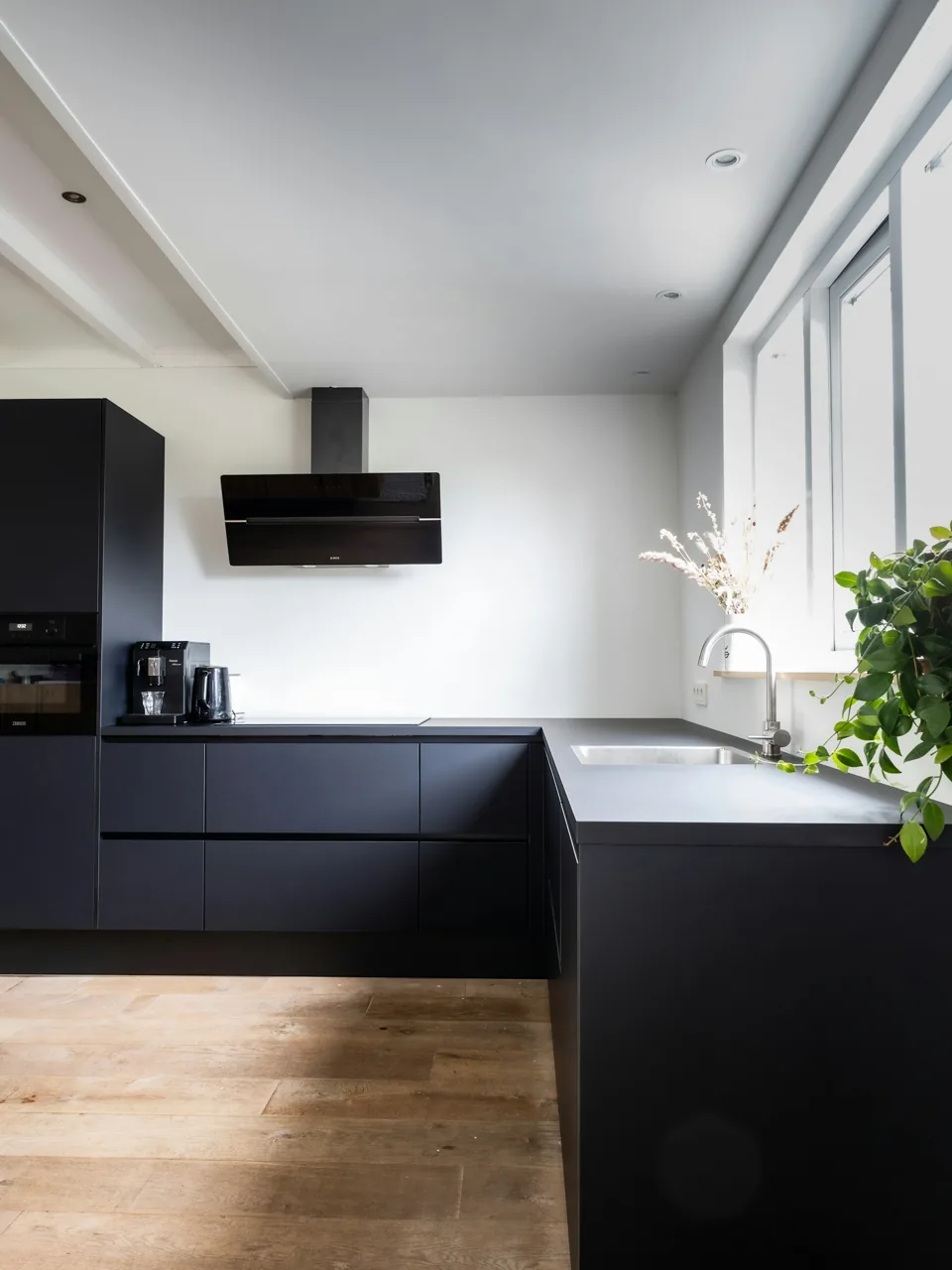
New layers can change door clearances and levels at thresholds. Check junctions with adjoining rooms, kitchen plinths and stairs. If cabinets or doors are also being replaced, coordinate their dimensions before installation. A tidy transition between rooms matters as much as the middle of the floor.
Consider noise and lease requirements
In a flat, changing a soft covering to a hard floor may affect neighbours below. Read the lease and ask the managing agent what requirements apply before ordering. Do not assume any underlay will provide the needed performance. The complete build-up and installation method must suit the property.
Compare installed cost, not pack price
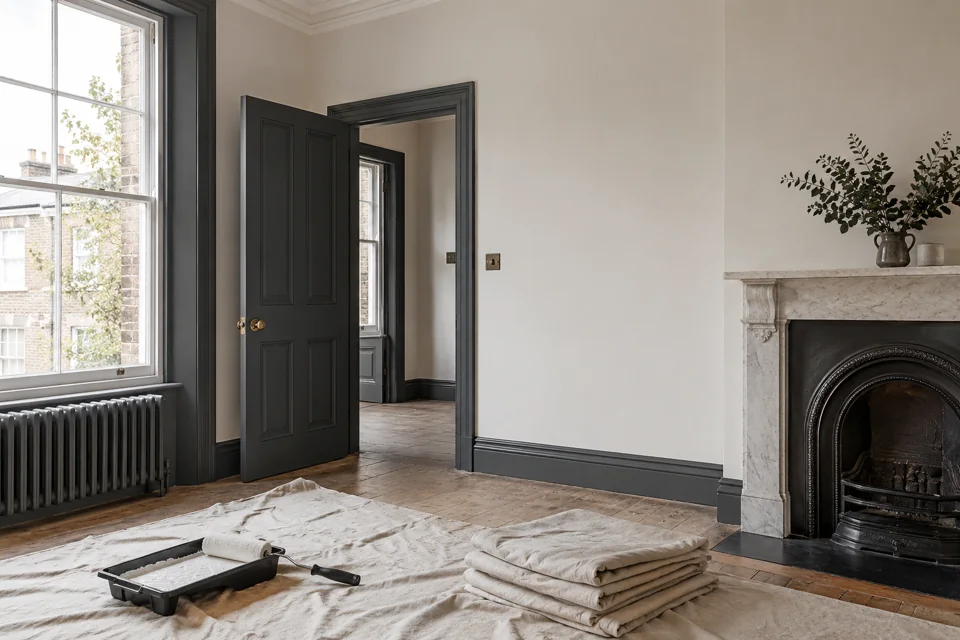
Include removal, disposal, preparation, underlay or adhesive, trims and door adjustments when comparing quotes. Ask who supplies the flooring and how it will be stored before fitting. Keep the instructions and spare material after completion so future repairs use a matching finish.
Think about the work that follows fitting
If painters, kitchen fitters or other trades will return after the floor is laid, agree protection and access. Ask whether heavy furniture can be moved straight back or whether the product requires a waiting period. Keep grit away from a newly finished floor and follow the specific care instructions instead of assuming every timber-look surface needs the same treatment.
Samples are more useful at home
Place samples next to the existing skirting, doors and adjoining floor. Look at them in daylight and under the lights you normally use. Consider how a plank pattern will run through the room and how it meets doorways. Confirm the exact product code before ordering, especially where a display includes several similar finishes.
Your checklist before work starts
- Check suitability for the room and expected moisture.
- Agree subfloor repairs and preparation.
- Confirm thresholds, doors and finished levels.
- Read lease requirements before changing floor type.
For the work itself, see our flooring services service. To discuss your property, contact us or call 020 3026 9485.