
Renovation advice
How to Compare Renovation Quotes Without Guessing
Practical checks before you plan the work.

Two quotations can have different totals because they describe different work. Before deciding which offers better value, make sure you are comparing the same rooms, products and finishing standard. A clear brief helps you ask useful questions instead of guessing what is missing.
Give each contractor the same information
Prepare a room list, photographs and a description of the changes. Include product details where fittings are chosen. Separate essential repairs from optional improvements. If the layout or specification is undecided, say so: a price based on assumptions is not the same as a fully defined scope.
Read the preparation and finishing items
For a kitchen, check removal, service changes and worktop fitting. For flooring, look for subfloor preparation and trims. For decorating, establish repairs and protection. The cheapest visible item may not make the overall job cheaper if the work needed to install it is excluded.
Identify allowances and exclusions
Ask which figures are fixed for the described work and which are allowances that may change. Confirm materials, disposal, delivery, applicable VAT and professional fees. Do not apply a guessed contingency percentage to every project; decide what allowance is appropriate after discussing the uncertain parts of this particular job.
Agree a written change process
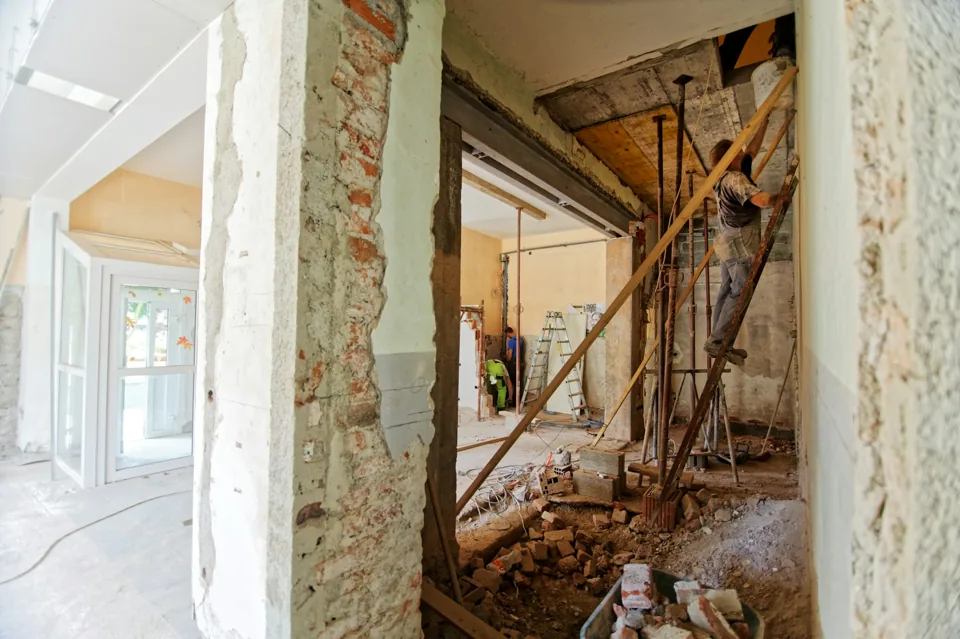
Older homes may reveal hidden defects after work starts. Ask how findings will be recorded, what options you will receive and how extra cost will be approved. Changes you request should follow the same process. Keep the scope and revised prices together so a conversation does not become a dispute later.

Check practical terms before accepting
Discuss access, sequencing, payment stages and how work will be checked at handover. Confirm which products you supply and when they must arrive. Ask about unexplained lines rather than treating a short quote as automatically simple. Compare the complete agreed job, not just the lowest first number.
Use a simple comparison sheet
Put each quotation beside the same list of tasks. Mark an item as included, excluded or unclear, then ask about the unclear items before comparing totals. Keep allowances visible rather than adding them to a fixed-price column. This approach also shows where one contractor has priced a product that another expects you to supply.
A low total needs a clear explanation
A lower price may reflect a simpler specification, fewer included tasks or a different approach to the work. Ask which explanation applies instead of assuming either good value or poor quality. If the scope changes during the discussion, request a revised written quote. Compare the agreed version rather than relying on a first estimate and later verbal additions.
Your checklist before work starts
- Issue the same brief and product details.
- Compare preparation, supply, installation and finishing.
- Ask about exclusions, allowances and applicable VAT.
- Record payment stages and approval of extras.
For the work itself, see our house refurbishments service. To discuss your property, contact us or call 020 3026 9485.