
Renovation advice
Water Damage: What to Check Before Redecorating
Practical checks before you plan the work.
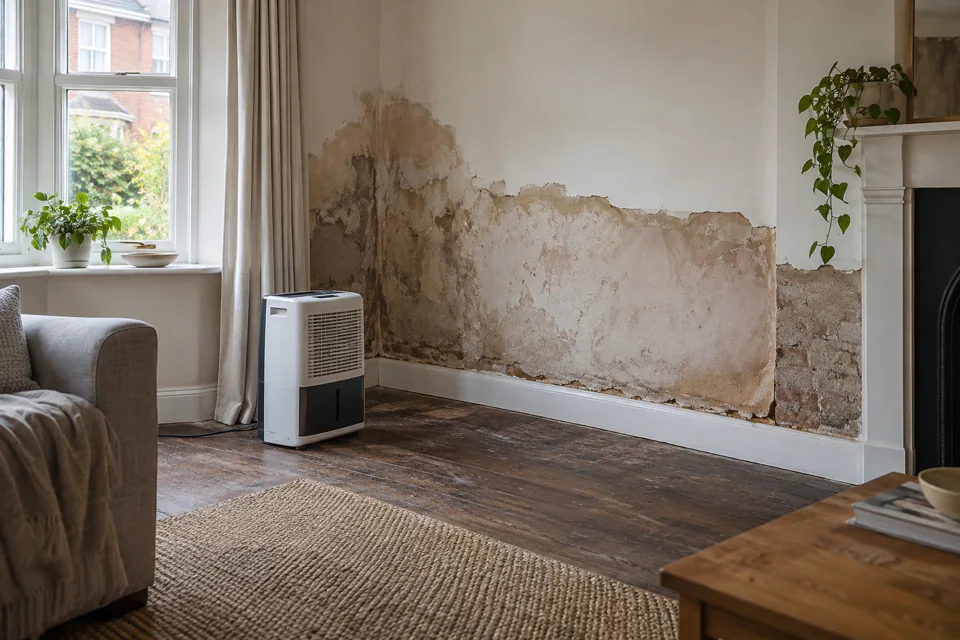
Painting over a water stain can hide the evidence without solving the problem. Whether it came from a pipe, appliance or water entering from outside, first make the area safe and deal with the source. Finishes come later.
Put safety before the repair schedule
Keep away from water near sockets, appliances and electrical equipment. Do not touch wet electrics or enter an unsafe area. Electrical Safety First’s flooding advice explains the need for appropriate checks. Do not use affected equipment again simply because its surface looks dry.
Find and stop the source
Arrange the appropriate trade to investigate an active leak or ingress. A recurring stain may point to a problem outside the visible patch. Record when it appeared, where water travelled and whether it changes after rain or appliance use. Give this information to the person investigating, rather than asking only for a plastering price.
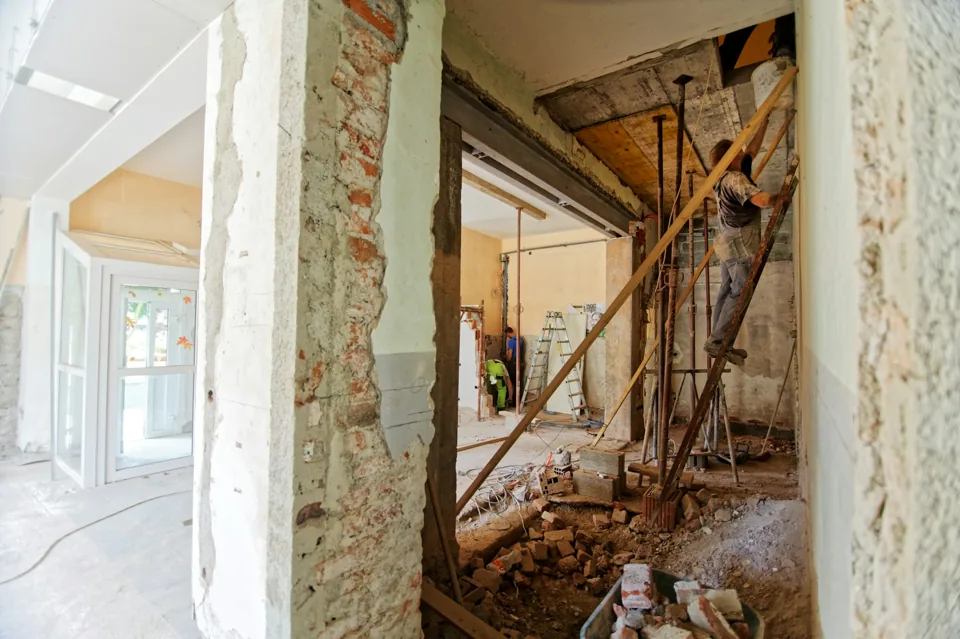
Record the damage before stripping out
Photograph affected areas and damaged items if safe. For an insurance claim, speak to the insurer about evidence and authorisation before non-urgent repairs. Keep reports and invoices. Urgent safety work must be handled appropriately; do not leave a hazardous area untouched simply to obtain a photograph.
Check readiness for repair
Drying time varies with materials, the amount of water and conditions in the property. Avoid a fixed promise based only on the visible stain. Ask how moisture will be assessed and whether damaged plaster, insulation or flooring needs removing. A dry-looking paint surface does not establish the condition behind it.
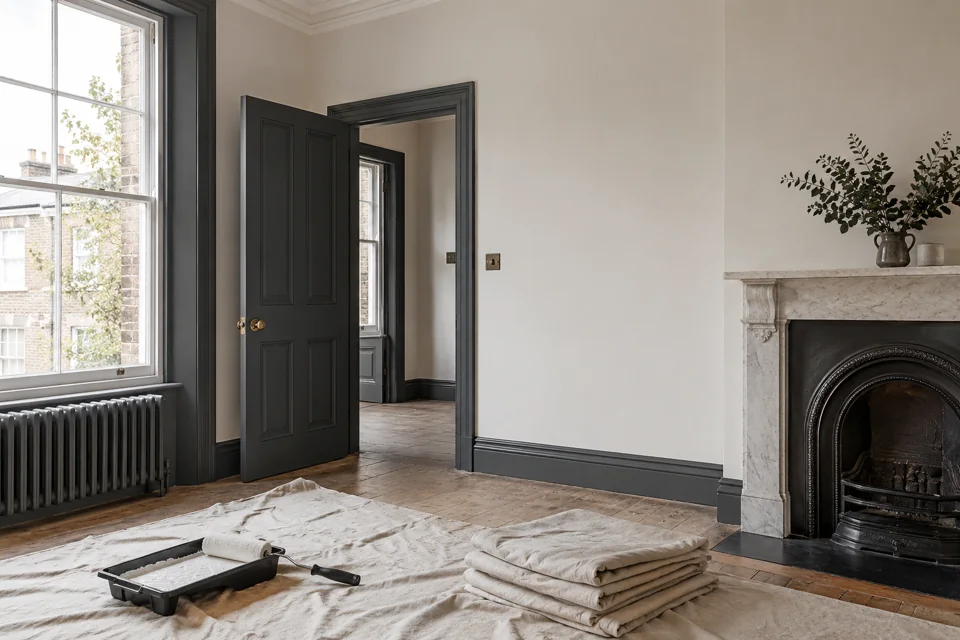
Reinstate in a sensible order
Once the cause is resolved and the area is ready, agree repairs to walls, ceilings, floors and joinery. Define the decoration area: patching and repainting a whole wall are different jobs. Match finishes where practical, and keep access to repaired services so they can be maintained later.
Avoid confusing symptoms with the cause
A stain below a bathroom may involve a fitting, pipe or seal, but its position alone does not establish which. Describe what you have observed and allow the appropriate professional to investigate. Ask what evidence supports the proposed repair. Replacing finishes without identifying an active source can leave you paying for the same work again.
Keep the repair scope specific
List affected walls, ceilings, floors and joinery separately. Record whether a quote allows for removal, disposal, drying arrangements and final decoration. If the extent is not yet known, agree an investigation stage and a further decision before reinstatement. This provides a clearer basis for comparison than one broad line labelled water damage repairs.
Your checklist before work starts
- Make the area safe and investigate the source.
- Record damage and contact the insurer where relevant.
- Agree how drying and damaged materials will be assessed.
- Define repair and decoration areas.
For the work itself, see our water damage service. To discuss your property, contact us or call 020 3026 9485.