
Renovation advice
Preparing a Room for Painting and Decorating
Practical checks before you plan the work.
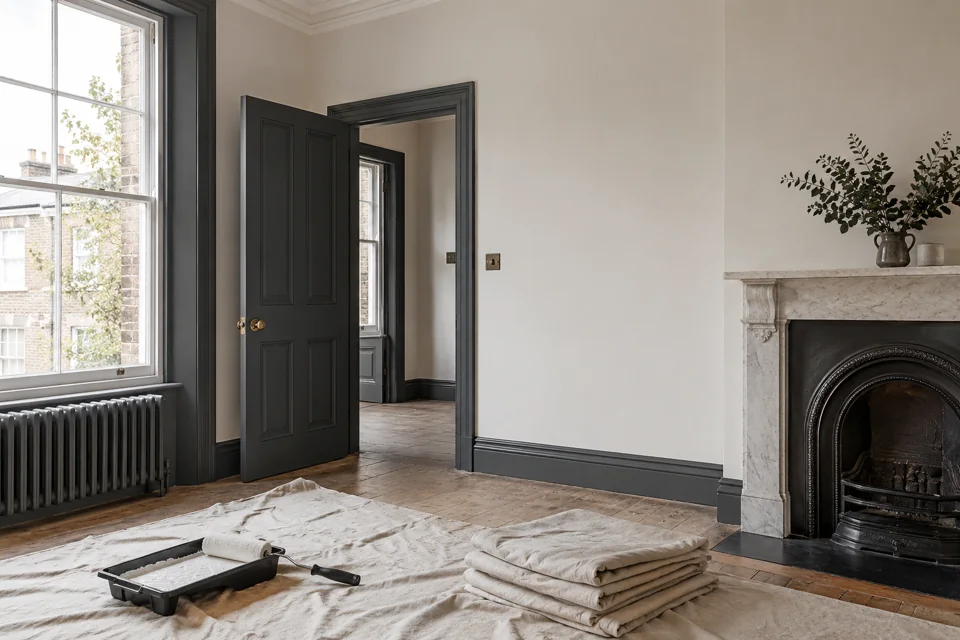
A fresh colour is the last part of decorating, not the first. The condition of walls and woodwork affects the result, so agree preparation before selecting paint. This is particularly useful where an older home has layers of previous repairs and finishes.
Look at surfaces in good light
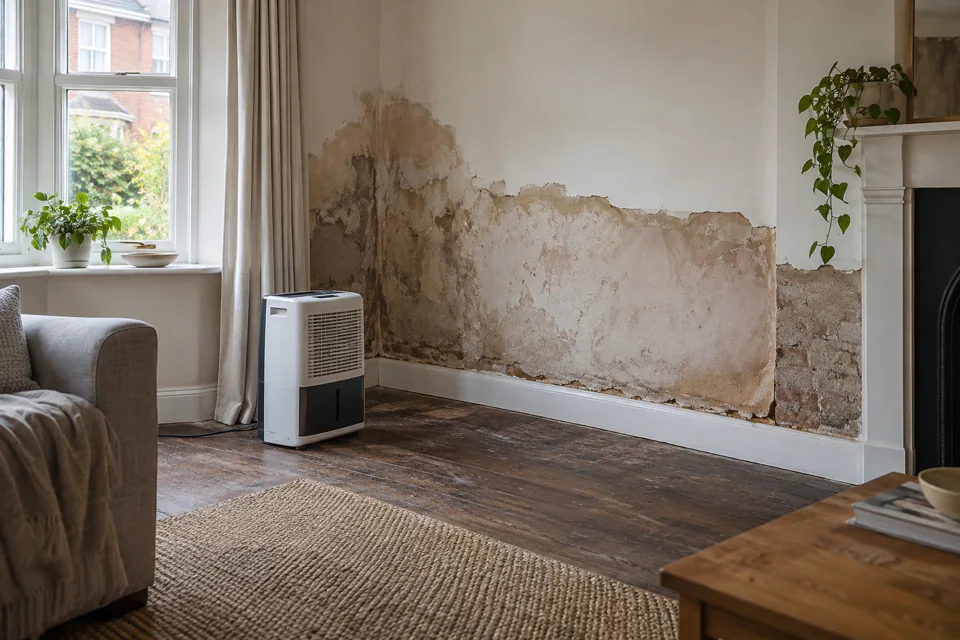
Note cracks, loose paint, stains, damaged corners and old fixing holes. Explain recent leaks or recurring damp patches. A stain-blocking product may address a mark, but painting is not a repair for the source of moisture. Resolve an active problem before paying for the final finish.
Agree how much repair is included
Filling a few holes is different from repairing extensive damaged plaster. Ask what the quote allows for and how larger defects will be handled. Walls that look acceptable in soft evening light may show imperfections in daylight. Discuss the expected finish rather than assuming repainting makes every surface perfectly flat.
Choose a finish for each surface
Walls, ceilings, doors and skirting do not always need the same product. Consider room use and whether a surface needs regular cleaning. Test sample colours in the room at different times of day. Record the product, colour and finish, not just the colour name.
Plan protection and access
Ask whether furniture can remain, who will move it and how floors and fittings will be protected. Empty fragile items and leave safe access to the work area. Agree when the room can be used again, following drying and ventilation instructions rather than assuming one drying time suits every paint.
Inspect before moving everything back
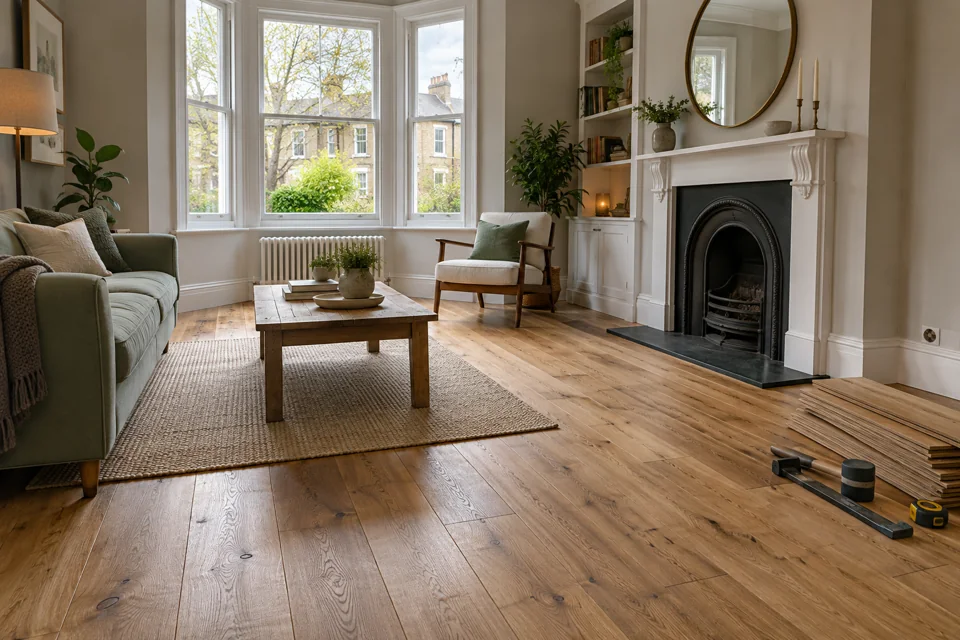
Check edges, woodwork, repaired areas and surfaces in normal daylight. Record items needing attention while the room is clear. Keep labelled leftover paint where suitable for storage. Touch-ups are easier with the original product details and a properly completed underlying repair.
Decorating after another renovation job
Ask whether plaster, filler or repaired areas are ready for the specified coating before a date is fixed. If a new floor or fitted unit is also planned, agree the order and the making good at junctions. Decorating the whole wall after repairs often produces a different result from a small patch, so define the intended area in the scope.
Questions that make a quote clearer
Ask which rooms, ceilings and items of woodwork are included. Specify whether radiators, doors or built-in cupboards are part of the job. Check who buys the paint and whether the quoted preparation covers wallpaper removal. These details are more useful than asking only how many coats will be applied.
Your checklist before work starts
- Explain leaks or recurring stains.
- Separate minor filling from larger repairs.
- Confirm products for each surface.
- Agree furniture moving, protection and disposal.
For the work itself, see our painting and decorating service. To discuss your property, contact us or call 020 3026 9485.